Signs You Have a Wasp, Hornet, or Yellow Jacket Problem
If you notice signs you have a wasp, hornet, or yellow jacket problem, local service providers can identify the issue and safely handle treatment to protect your property.
If you’ve recently noticed increased activity around your property, such as persistent buzzing or the sighting of wasps, hornets, or yellow jackets near eaves, shrubs, or outdoor structures, it might be a sign of a problem. These insects are more than just a nuisance; their nests can pose safety concerns, especially if they are located close to high-traffic areas or where children and pets play. Recognizing the early signs of an infestation can help property owners take timely action to address the situation before it worsens. Local service providers who specialize in wasp, hornet, and yellow jacket treatment can assess the extent of the issue and recommend effective solutions to keep your property safe and comfortable.
Understanding the signs of a wasp, hornet, or yellow jacket problem is key to preventing potential stings and property damage. Common indicators include finding papery nests attached to exterior walls, under eaves, or in shrubs, along with increased insect activity during warm months. If you notice sudden swarms or a significant number of insects gathering around specific areas, it’s a clear sign that a nest may be nearby. Fortunately, experienced local contractors are equipped to handle these situations safely and efficiently. Exploring your options for professional treatment can help eliminate the threat and restore peace to your outdoor spaces.
- Wasp and Hornet Removal - needed when visible nests appear on your property, and local contractors can safely remove or eliminate the insects.
- Yellow Jacket Treatment - required if you notice aggressive behavior or frequent stinging incidents, with service providers targeting the nest and entry points.
- Nest Removal and Prevention - necessary when signs of ongoing activity are present, and local pros can remove existing nests and seal entry sites to prevent future problems.
- Insect Barrier Installation - advised if you experience recurring sightings, with specialists installing barriers to block wasps, hornets, and yellow jackets from nesting nearby.
- Inspection Services for Signs of Infestation - useful when unsure if a nest is present, with experts assessing your property and recommending appropriate treatment options.
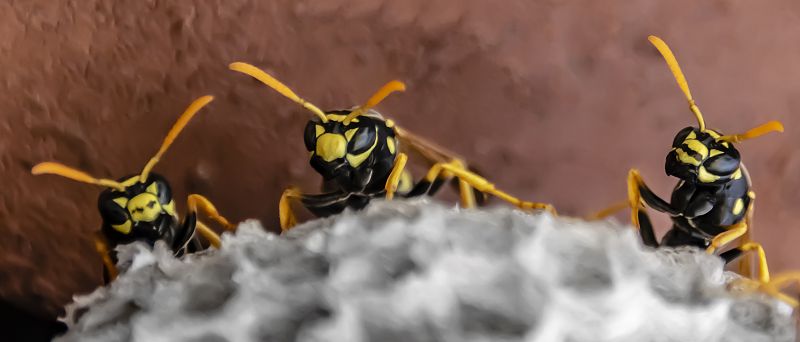
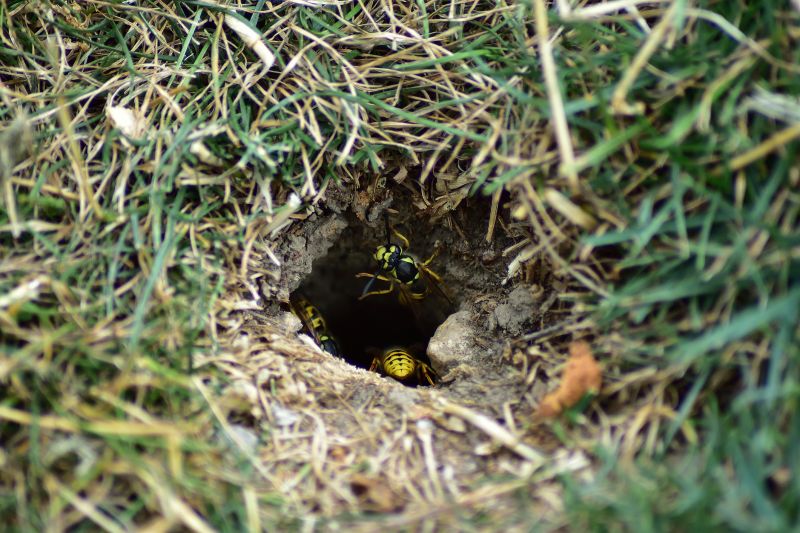
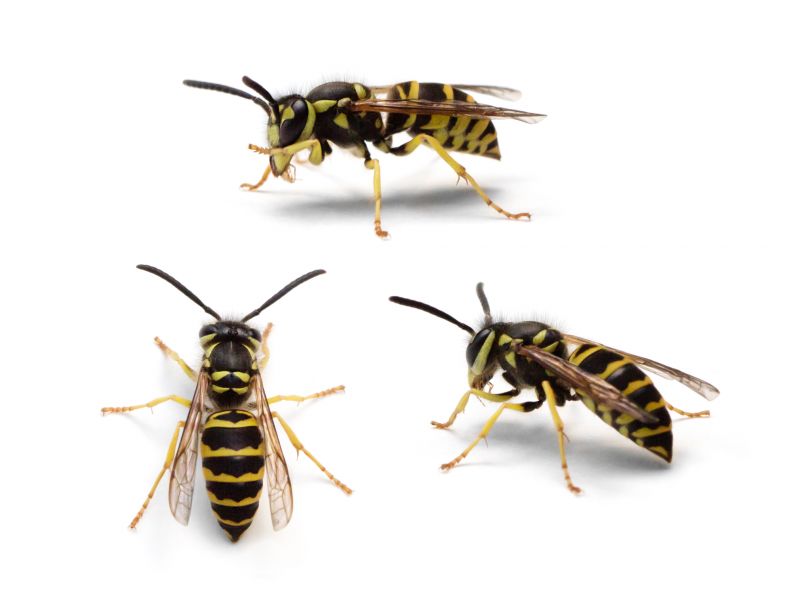
Understanding the signs you have a wasp, hornet, or yellow jacket problem is essential for homeowners who want to address potential pest issues early. These insects are often mistaken for one another, but each species can pose different risks and require specific treatment approaches. When people search for this topic, they typically want to identify whether their property has an active nest or if insects are present that could lead to a dangerous confrontation. Recognizing the physical signs-such as visible nests, frequent insect activity around eaves or shrubs, or the presence of buzzing insects-helps homeowners determine if professional intervention is needed. Local service providers who specialize in wasp, hornet, and yellow jacket removal can then be contacted to evaluate the situation and recommend appropriate treatment options.
The problem of wasps, hornets, and yellow jackets is often linked to ongoing nuisance or safety concerns. These insects tend to become more active during warmer months, especially when they find food sources or nesting sites nearby. Signs of a problem include swarms of insects around the home, especially near entry points like vents, soffits, or window frames, as well as the sighting of nests hanging from trees, under eaves, or on building exteriors. For property owners, these signs may also indicate that the insects are establishing a colony close to living or working spaces. Addressing these issues early can prevent aggressive encounters, property damage, or even allergic reactions, making professional removal an important step for homeowners experiencing these problems.
Certain types of properties are more likely to encounter wasp, hornet, or yellow jacket issues. Residential homes with large yards, gardens, or fruit trees often attract these insects due to the availability of food and nesting materials. Commercial properties, especially outdoor dining areas, parks, or storage facilities, can also be hotspots for wasp activity. Structures with open eaves, unused sheds, or hollow spaces provide ideal nesting sites. Recognizing the typical property features that attract these insects helps homeowners and property managers understand when to seek assistance from local contractors. These professionals can evaluate the property, safely remove nests, and implement measures to prevent future problems, ensuring a safer environment for everyone.
When signs of a wasp, hornet, or yellow jacket problem become apparent, it’s important to understand how local treatment experts fit into the process. These service providers specialize in identifying the type of insect involved, locating hidden nests, and safely removing or treating them to eliminate the threat. Their expertise is crucial because attempting to remove nests without proper equipment or knowledge can be dangerous. Homeowners should consider reaching out to local pros when they notice persistent insect activity, nests hanging from structures, or increased buzzing around their property. Connecting with experienced pest control specialists ensures that the problem is addressed effectively and reduces the risk of future invasions, helping maintain a safe and comfortable outdoor environment.
Pest identification guides - understanding how to identify signs of wasp, hornet, or yellow jacket activity helps homeowners recognize problems early, and local contractors can assist with inspection and removal.
Wildlife removal projects - these projects involve safely extracting stinging insect nests, requiring similar planning and tools used in wasp, hornet, or yellow jacket treatments.
Home sealing and repair services - sealing entry points to prevent insect nests aligns with pest control strategies to minimize wasp, hornet, or yellow jacket issues around the home.
Yard cleanup and debris removal - clearing away debris and potential nesting sites reduces the likelihood of stinging insect problems and involves comparable skills to pest prevention efforts.
Outdoor pest barrier installation - setting up physical barriers to deter insects shares techniques with treatment services for controlling wasp, hornet, or yellow jacket activity.
Structural inspection services - inspecting eaves, attics, and exterior walls for signs of nests or damage complements the process of identifying signs you have a wasp, hornet, or yellow jacket problem.
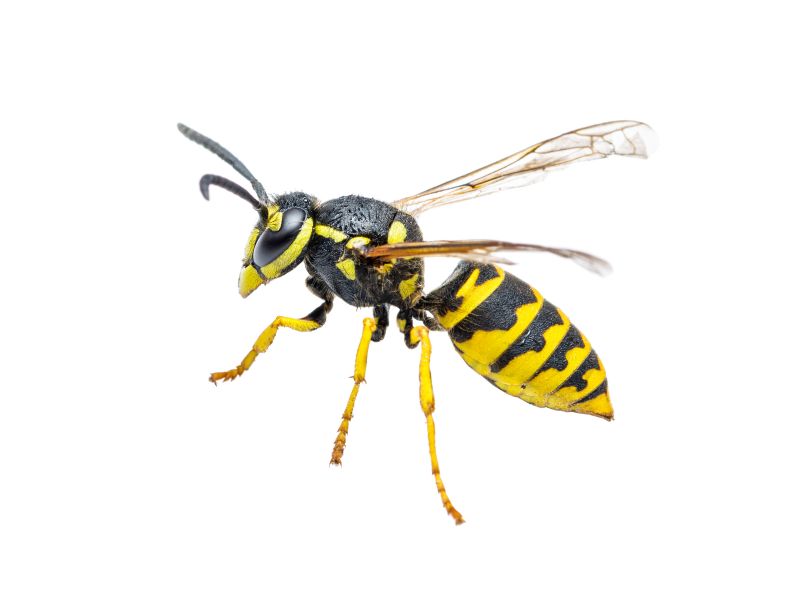
When evaluating potential service providers for wasp, hornet, or yellow jacket treatment, it is important to consider their experience with similar projects. Homeowners should inquire about how many times the contractor has handled wasp or hornet infestations in residential settings, especially those involving the specific types of pests present. An experienced contractor will have a better understanding of the behavior and nesting habits of these insects, which can contribute to more effective treatment strategies. Reputable local contractors often have a track record of successfully managing these types of problems, and references or reviews can provide insight into their familiarity with addressing the unique challenges that come with different pest situations.
Clear written expectations are essential when comparing service providers. Homeowners should seek detailed descriptions of the scope of work, including what areas will be treated, the methods used, and any follow-up procedures. Transparent communication about what the treatment will entail helps ensure that both parties are aligned and reduces the risk of misunderstandings. Service providers who can articulate their process clearly and provide written estimates or plans demonstrate professionalism and a commitment to transparency, making it easier for homeowners to evaluate their suitability for handling wasp, hornet, or yellow jacket issues.
Additionally, reputable local contractors tend to have a network of references and a reputation for good communication. When considering different options, it’s valuable to ask for references from previous clients who had similar pest problems. Good communication also includes responsiveness to questions and clarity about scheduling, preparation, and post-treatment care. A contractor who maintains open, straightforward communication can help homeowners feel more confident in the process and ensure that any concerns are addressed promptly. This level of professionalism often indicates a contractor’s dedication to quality service and their ability to effectively manage wasp, hornet, or yellow jacket treatment projects.
Property owners often search for signs you have a wasp, hornet, or yellow jacket problem when they are planning practical projects around their homes and businesses. Local pros provide Wasp, Hornet, or Yellow Jacket Treatment services for everyday jobs and straightforward project options.
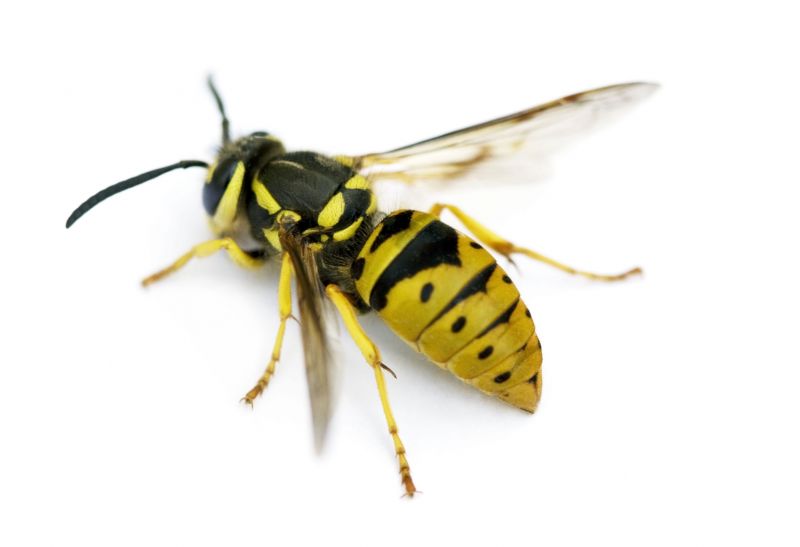
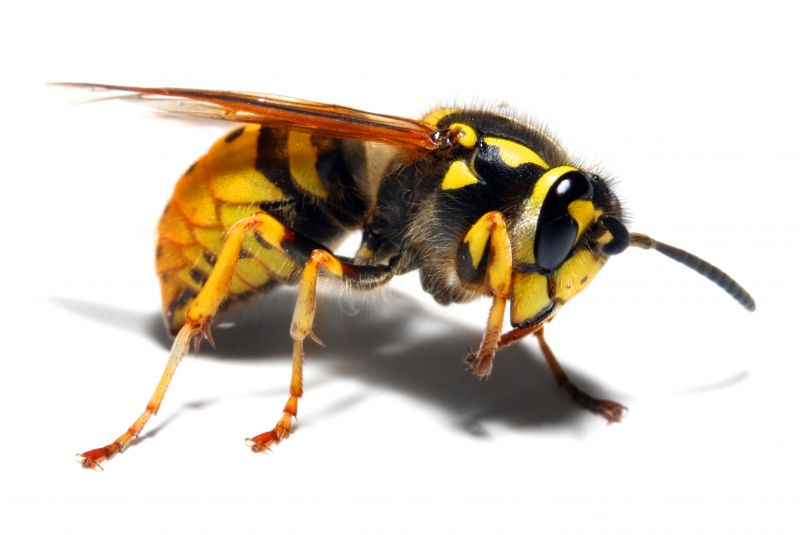
Property owners in the local area often notice certain signs that indicate a wasp, hornet, or yellow jacket problem. Common indicators include seeing aggressive insects hovering around eaves, porch ceilings, or outdoor furniture, especially during warmer months. Additionally, the presence of visible nests-often paper-like structures attached to walls, trees, or under overhangs-can signal an active infestation. Recognizing these signs early can help prevent potential stings and property damage, prompting homeowners to seek out professional treatment services.
Many local contractors offer specialized wasp, hornet, and yellow jacket treatment solutions to address these issues safely and effectively. If nests are discovered or if there’s frequent insect activity near outdoor living spaces, connecting with experienced service providers can ensure proper removal and ongoing prevention. These professionals have the tools and knowledge to handle nests and eliminate the insects, helping property owners enjoy their outdoor areas without concern.
What are common signs of a wasp, hornet, or yellow jacket problem? Visible nests, especially near eaves, shrubs, or ground areas, and increased insect activity around these spots often indicate a problem that local contractors can address.
How can I tell if I have an active wasp, hornet, or yellow jacket nest? Seeing wasps or hornets entering and exiting a specific area or noticing a large, papery nest suggests active activity that service providers can safely handle.
Are there any signs of stings or bites indicating a wasp, hornet, or yellow jacket issue? Multiple stings or bites, especially if they occur repeatedly or in a specific area, may point to a nearby nest that local contractors can remove professionally.
What should I look for to identify a potential nest location? Nests are often found under eaves, in shrubs, or underground; spotting these structures can help service providers locate and treat the problem effectively.
When is the right time to seek treatment for a wasp, hornet, or yellow jacket problem? Early signs like increased insect activity or visible nests should prompt contact with local contractors to prevent the situation from worsening.
Identifying wasp, hornet, or yellow jacket nests - recognizing signs of nests around the property can prompt timely inspections by local contractors specializing in pest removal.
Noticing increased insect activity - observing more wasps or hornets near entry points or outdoor areas may indicate a hidden nest needing professional treatment.
Experiencing painful stings or allergic reactions - frequent stings or allergic responses can signal the presence of aggressive insects requiring expert removal services.
Detecting nests in hard-to-reach spots - finding nests in eaves, wall voids, or underground areas suggests the need for specialized removal from experienced service providers.
If you are thinking about signs you have a wasp, hornet, or yellow jacket problem for a property, this guide is meant to help you understand this topic, the typical project types, and how different options might fit your plans.
When you are ready, you can use the quote form on this page to share a few details about your project. From there, local pros can review the basics and follow up with options that match what you have in mind.