Optimal Timing for Wasp Hive Removals
Understanding the optimal timing for wasp hive removals is essential for effective and safe elimination. The best period typically aligns with the wasp colony's lifecycle, when activity levels are manageable and the hive is accessible.
Spring is an ideal time to address wasp hives before colonies expand. Early intervention can prevent larger nests and reduce the risk of stings later in the season.
During summer, colonies are at their largest, making hive removal more challenging and potentially more hazardous due to increased wasp activity.
Fall can be suitable for hive removal as the colonies begin to decline. However, some wasps may still be active, requiring careful planning.
Late-season removals are less effective as colonies prepare to die off, and nests may be abandoned or less accessible.
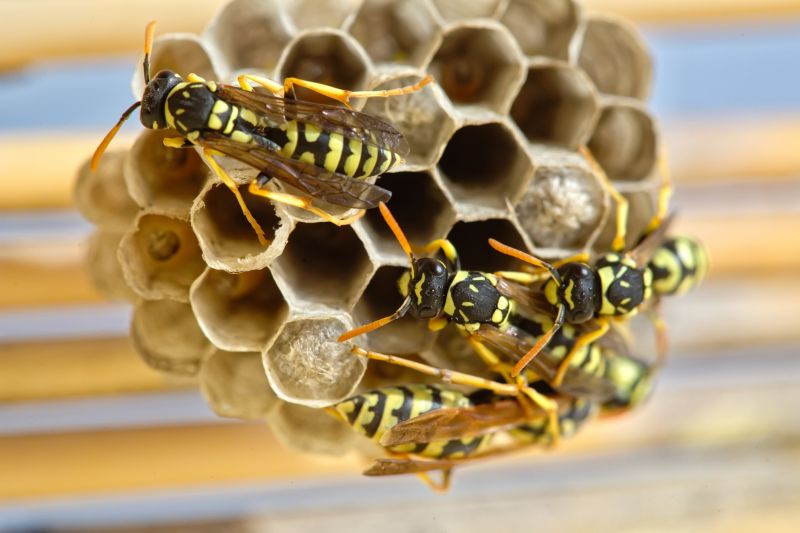
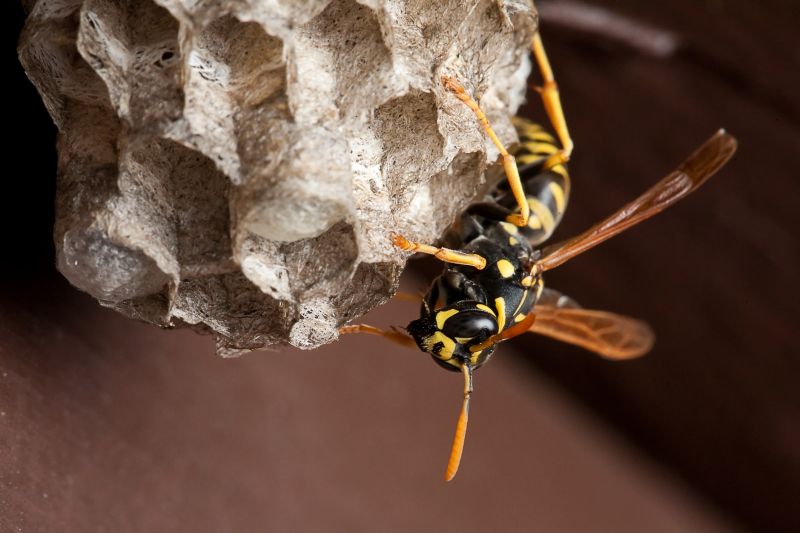
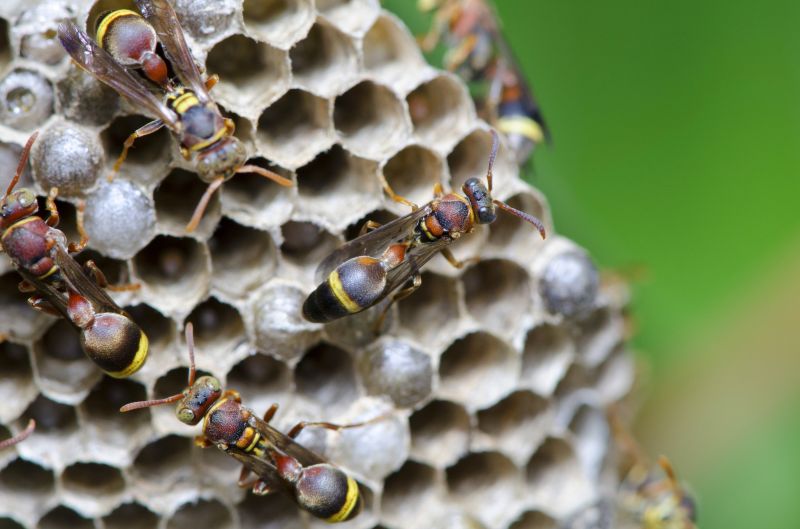
A wasp hive in early spring, before colony expansion.
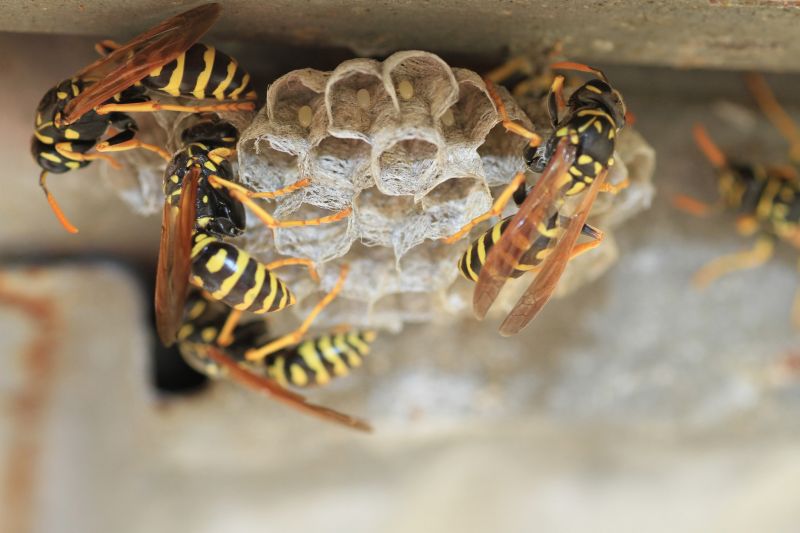
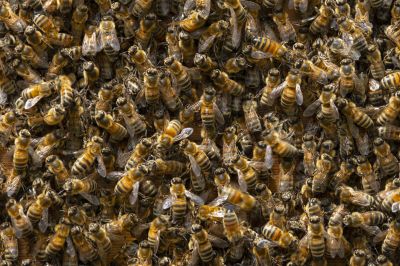
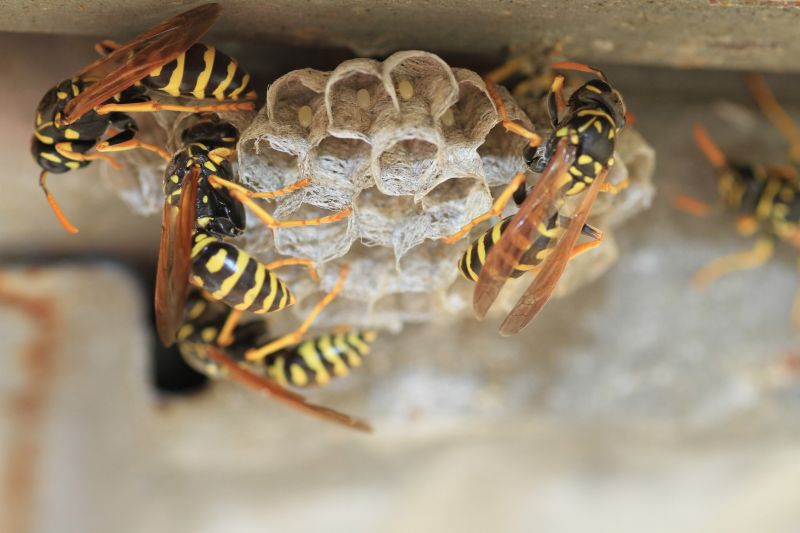
A large wasp colony active during summer months.
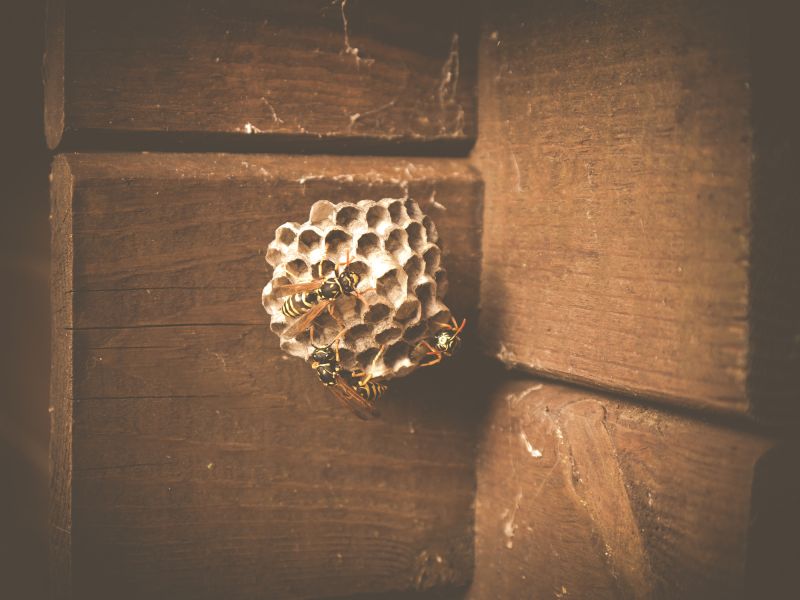
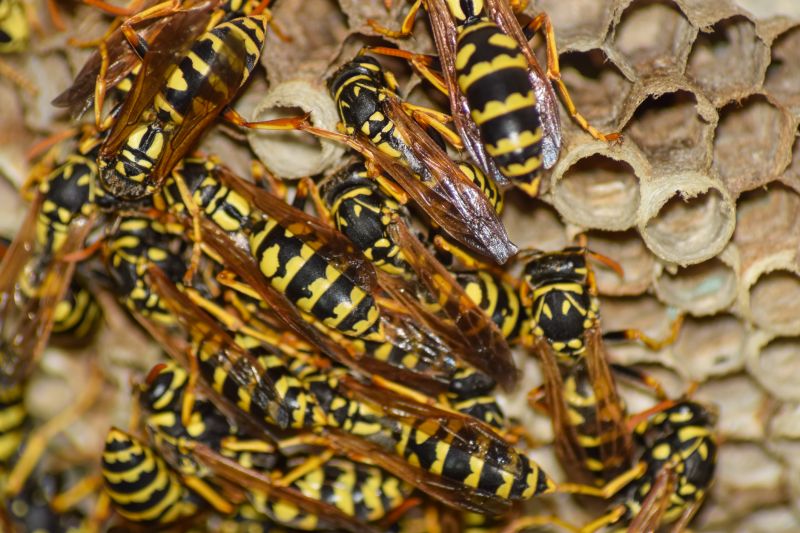
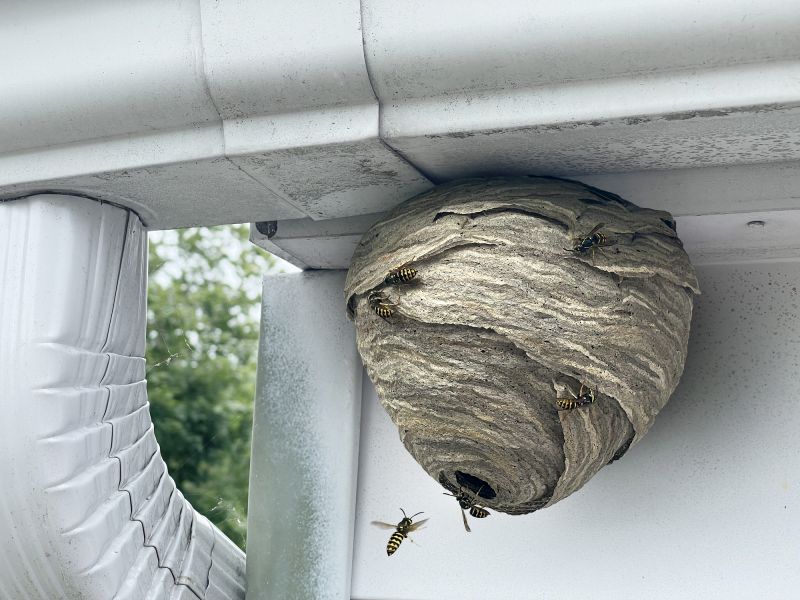
A wasp nest beginning to decline in fall.
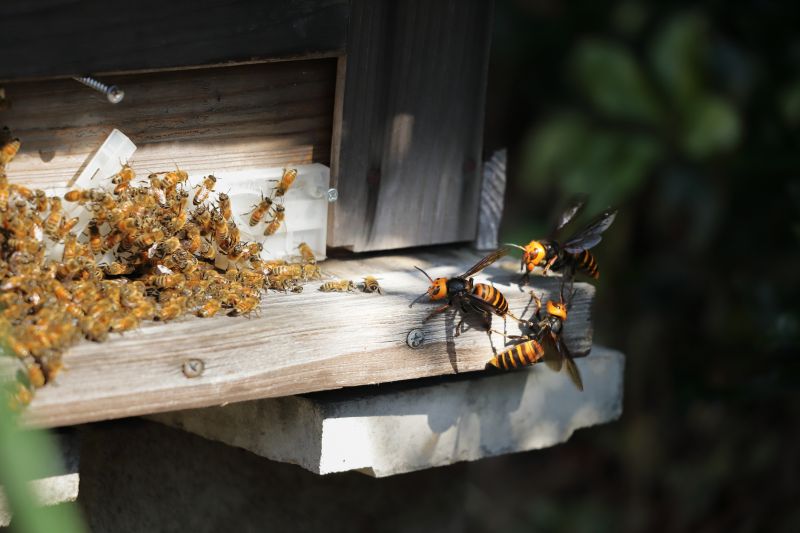
Ways to make Wasp Hive Removals work in tight or awkward layouts.
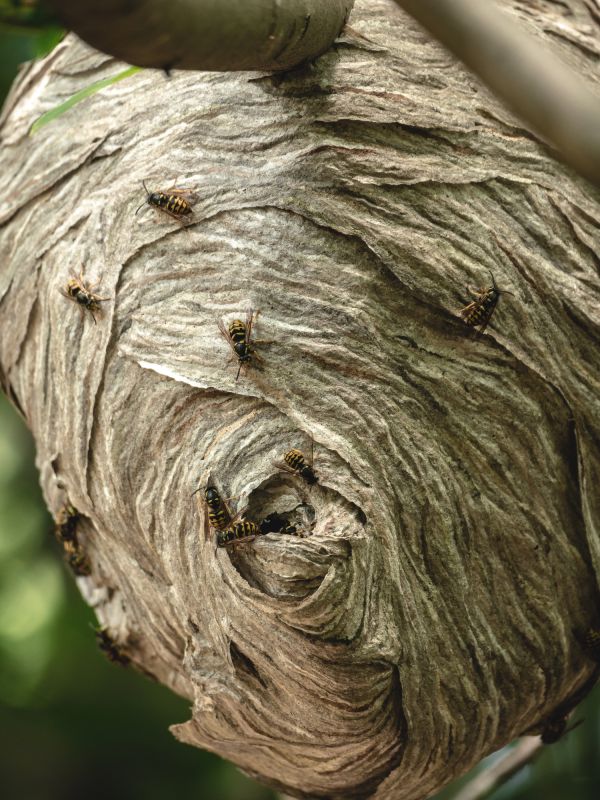
Popular materials for Wasp Hive Removals and why they hold up over time.
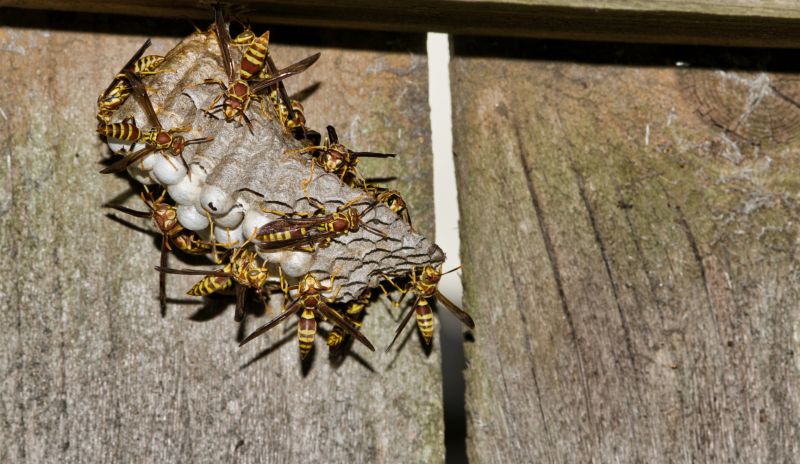
Simple add-ons that improve Wasp Hive Removals without blowing the budget.
| Season | Optimal Timing |
|---|---|
| Spring | Best time for early removal before colony growth |
| Summer | Less ideal due to high activity and larger nests |
| Fall | Possible, but colonies are declining |
| Late Season | Not recommended, nests may be abandoned |
Wasp hive removals are most effective when performed during periods of low activity, typically in early spring or late fall. Timely intervention can prevent the colony from reaching its peak size, reducing the risk of stings and property damage. It is important to consider weather conditions and wasp activity levels to ensure safety and success.
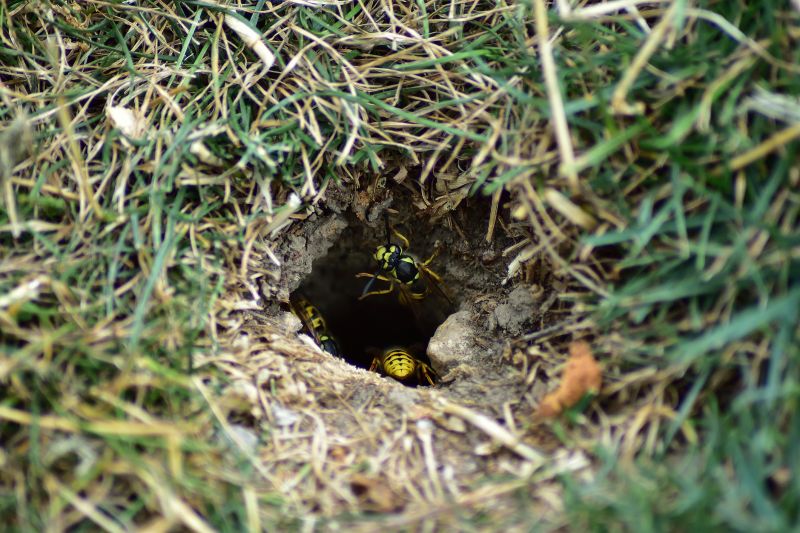
Early season hive with minimal activity.
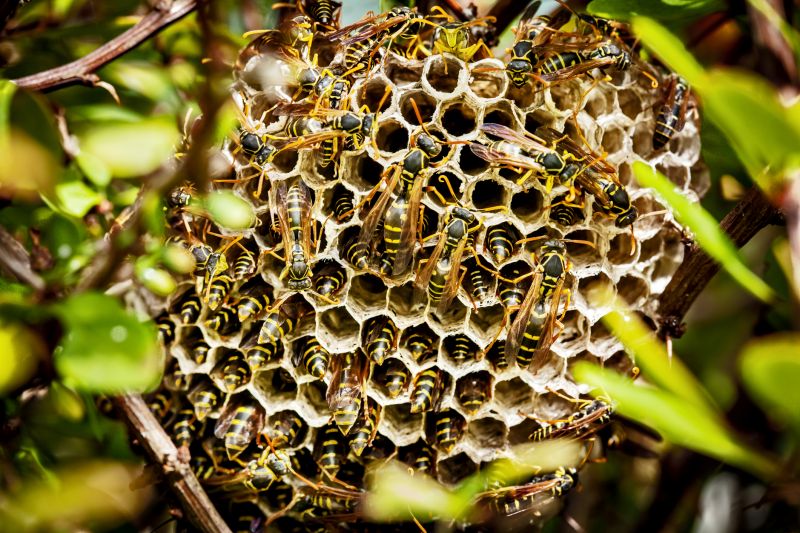
Large summer hive with high activity.
Wasp colony beginning to decline.
Abandoned or less active hive.
Finishes and colors that play nicely with Wasp Hive Removals.
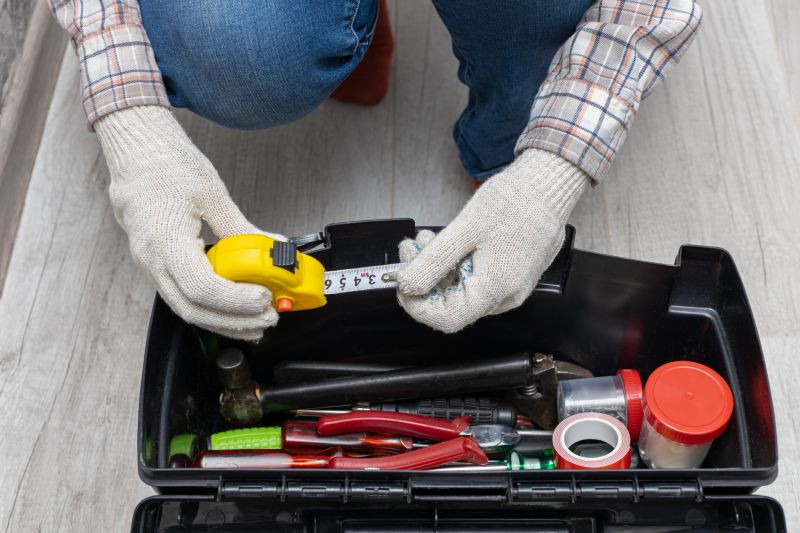
Little measurements that prevent headaches on Wasp Hive Removals day.
A 60-second routine that keeps Wasp Hive Removals looking new.
A frequent mistake in Wasp Hive Removals and how to dodge it.
Small tweaks to make Wasp Hive Removals safer and easier to use.
Lower-waste or water-saving choices for Wasp Hive Removals.
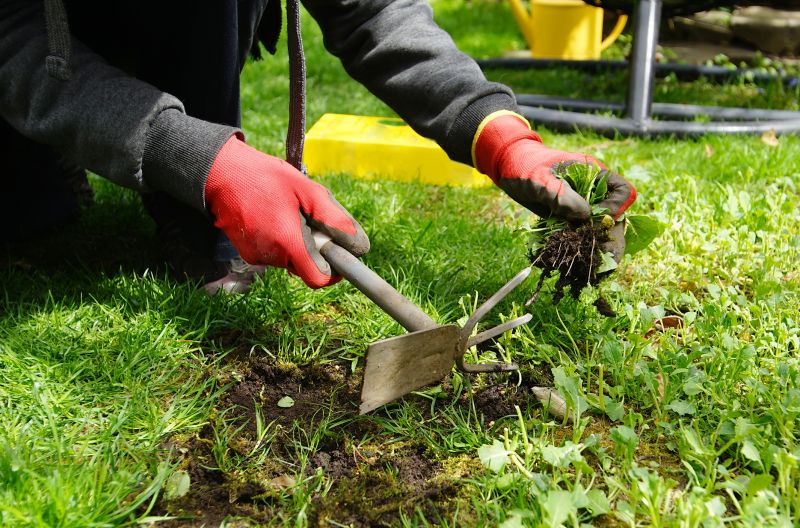
The short, realistic tool list for quality Wasp Hive Removals.

Rough timing from prep to clean-up for Wasp Hive Removals.
For those considering wasp hive removal, timing is crucial to ensure safety and effectiveness. Early spring and late fall offer the most favorable conditions for removal efforts. Consulting with professionals can help determine the best window for intervention, especially when dealing with large or hard-to-access nests.
Interested in removing a wasp hive? Filling out the contact form can provide access to expert assistance, ensuring a safe and efficient process tailored to the specific hive and timing considerations.