
Top-Rated Wasp Hive Removal Products for Quick and Safe Elimination
Identify the most effective tools designed to help you remove wasp hives promptly and securely without professional help.
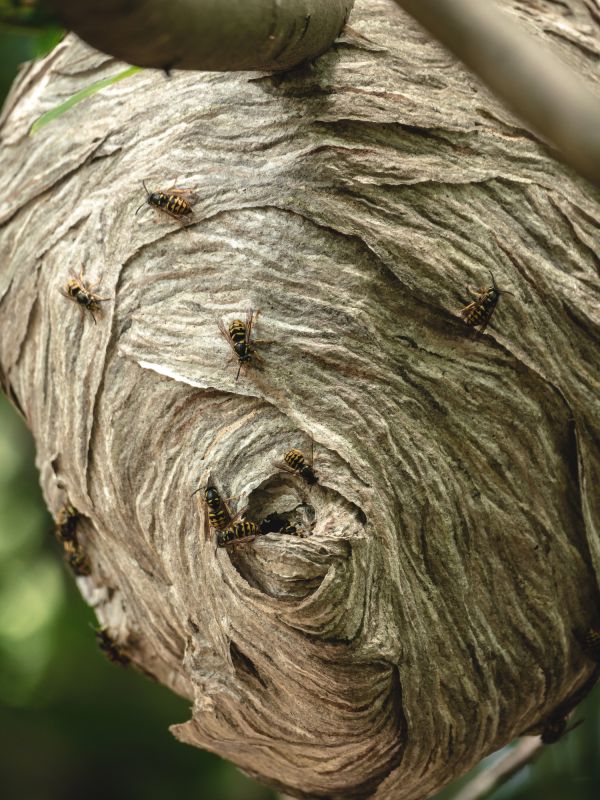 Dealing with wasp hives can be a challenging task that requires careful consideration and the right tools. Wasp nests are often located in hard-to-reach areas such as eaves, attics, or underground, making removal a potentially hazardous activity. Using appropriate products designed specifically for wasp hive removal can help ensure safety and effectiveness. It is important to choose products that are suitable for the location and size of the hive, as well as those that provide a controlled and targeted approach to minimize risks to people, pets, and surrounding structures.
Top Overall Option
High-Range Wasp and Hornet Aerosol Spray
This versatile aerosol spray offers a long-range nozzle that allows for safe application from a distance, making it suitable for treating nests in hard-to-reach areas. Its quick-acting formula helps target wasps and hornets effectively, reducing their activity rapidly. Designed for ease of use, it provides a controlled spray that minimizes the risk of stings during application. While not a guarantee of complete removal, it is a widely used option for homeowners seeking a straightforward solution.
Types of Products For Wasp Hive Removals
Aerosol Wasp and Hornet Sprays
These sprays are designed for quick application directly onto nests or entry points, often equipped with long nozzles for safety and reach.
Dust Insecticides
Applied into holes or cracks where wasps may be entering or nesting, providing residual control over time.
Foam Wasp Treatments
Foams expand to fill and coat nests, especially useful for interior or inaccessible locations.
Nest Removal Kits
Complete kits that include tools and products for physically removing or destroying nests.
Barrier Sprays
Applied to surfaces around a property to prevent wasps from establishing new nests.
Residual Sprays
Long-lasting sprays that create a protective barrier on surfaces to deter wasp activity.
Electric Wasp Zappers
Devices that attract and electrocute wasps, suitable for outdoor use around decks and patios.
Trap Stations
Passive traps that lure wasps and hornets away from structures, reducing the risk of nests forming nearby.
Natural Repellents
Non-chemical options that use scents or oils to repel wasps from specific areas.
Professional-Grade Insecticides
Industrial-strength products intended for use by pest control professionals for large or stubborn infestations.
Popular Choices
Widely used for their reach and ease of application, suitable for treating nests in elevated or hard-to-access locations.
Effective for interior or underground nests, providing residual control after application.
Popular for sealing off and destroying nests within wall cavities or other concealed spots.
Effective in reducing wasp activity around outdoor living spaces by trapping foragers.
Commonly used in outdoor settings to attract and eliminate wasps safely.
Versatile products capable of handling various insects, including wasps, with easy application.
Popular among DIY enthusiasts for safe and organized nest removal.
Trusted for ongoing protection against wasp nesting activity.
Applied around entry points to discourage wasps from nesting nearby.
Chosen for stubborn or large-scale infestations, often requiring professional handling.
When selecting a removal product, consider the ease of application and the type of delivery method. Aerosol sprays, dusts, and foams are common options, each with their own advantages depending on the hive's accessibility and the severity of the infestation. Safety features such as long-range nozzles or protective gear can enhance user safety during application. Proper timing and application techniques are crucial for successful removal, especially during the evening or early morning when wasps are less active.
In addition to immediate removal products, there are preventative options such as barrier sprays and residual treatments that can help protect your property from future nest formations. Regular inspections and early intervention are key to managing wasp activity effectively. Remember, if the hive is large, difficult to access, or located in a sensitive area, it may be wise to consult professional pest control services to ensure safe and thorough removal. Proper product selection combined with safety precautions can make the process more manageable and reduce the risk of stings or property damage.
Key Buying Considerations
- Identify the location and accessibility of the wasp hive to choose the appropriate product type.
- Consider the size and severity of the infestation to determine if professional assistance is advisable.
- Select a product with a suitable delivery method, such as long-range spray or dust, based on the hive's location.
- Check the active ingredients for safety and effectiveness, ensuring they are appropriate for your environment.
- Evaluate ease of application, including nozzle design and user safety features.
- Assess the residual or long-lasting effects if ongoing prevention is desired.
- Ensure the product is suitable for indoor or outdoor use, depending on the hive's location.
- Read instructions carefully for proper timing and application techniques.
- Consider whether a physical removal kit or tool is necessary for larger or more embedded nests.
- Be mindful of pets and children in the area when selecting and applying products.
- Look for products with clear safety warnings and protective gear recommendations.
- Determine if additional preventive measures, such as barrier sprays, are needed for future protection.
- Research product reviews and ratings to gauge user experiences and effectiveness.
- Verify if the product is suitable for the specific species of wasps or hornets present.
- Consider environmental conditions such as wind or rain that may affect application and efficacy.